Architecture & selection
Match processing, graphics, connectivity and real-time needs to power, space, environment and lifecycle constraints. Compare a custom board, compute module or SBC, including AI acceleration where the workload calls for it.
Engineering services / Embedded systems
Connect processing, software, displays and sensors into a practical system. Explore embedded control, machine vision and Edge AI using microcontrollers, microprocessors, SBCs and compute modules.
Featured service
Define the system first. Explore requirements, hardware and firmware architecture, interfaces, verification and production support in our complete development service.
Match processing, graphics, connectivity and real-time needs to power, space, environment and lifecycle constraints. Compare a custom board, compute module or SBC, including AI acceleration where the workload calls for it.
Define the display and touch interfaces, sensors, communications, power and carrier-board needs. Scope firmware or Linux integration, AI runtimes and prototype bring-up around the application.
Agree acceptance checks, test interfaces and operating conditions, and document the configuration. Define the source, build instructions and hardware records needed for ongoing support.
Platform selection
Start with the application: display and control, sensing, machine vision or local AI inference. Compare an SBC or compute module, a microcontroller, or a microprocessor against the software, memory, interfaces, power and latency you need.
A compact model may fit on an MCU; larger workloads may use CPU inference, a GPU or an NPU. Define the model, data and response time first, then measure performance on the selected hardware.
01 / SBC / COMPUTE MODULE
A single-board computer (SBC) is a complete computer on one PCB. A compute module (COM/SoM) packages the core computing functions for use with a carrier or baseboard.
SBC: processor, RAM, storage interfaces, power circuitry and accessible connectors. Typically add power, storage as required, a display and peripherals.
Compute module: processor, RAM and often flash/eMMC and power management. A carrier provides the application connectors, power input and expansion.
A practical route for display interfaces, kiosks, instrument panels and equipment that needs an operating system or a reusable hardware platform.
We can help compare boards, define a carrier and cable set, and plan integration and verification.
Use an SBC or compute module to evaluate camera processing and local inference. Compare CPU execution with GPU acceleration or an attached NPU; select the host, camera, storage and cooling as one system.
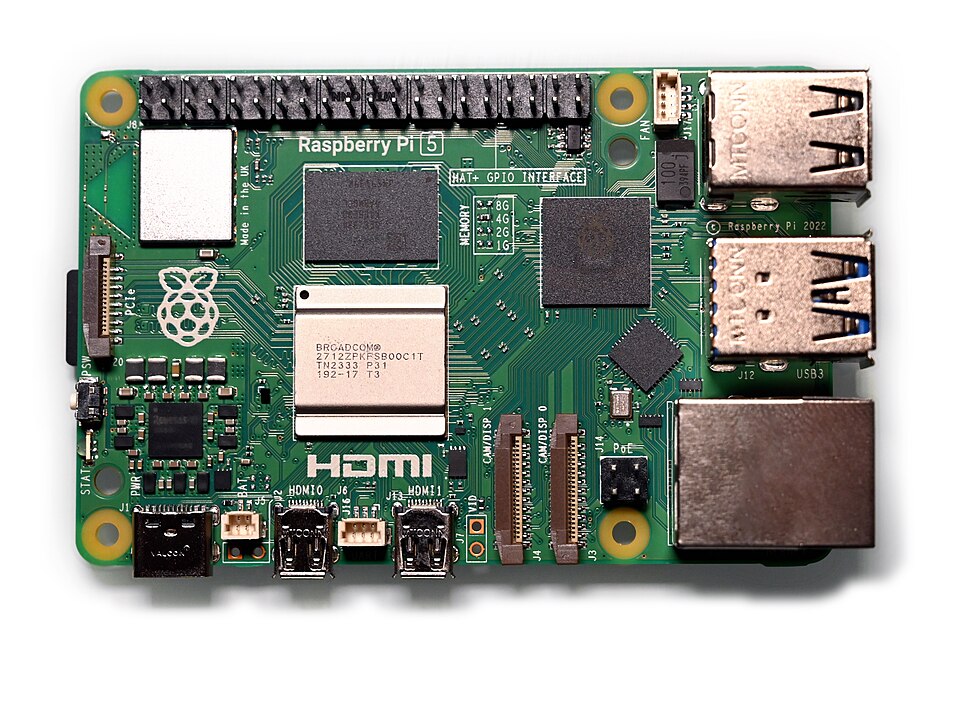
A complete SBC platform for display prototypes, kiosks and test equipment. Select memory, storage, cooling and power for the application.
View product & specifications →Explore complete development platforms, host-connected accelerators and cameras. Product pages include specifications and locally hosted PDF datasheets.
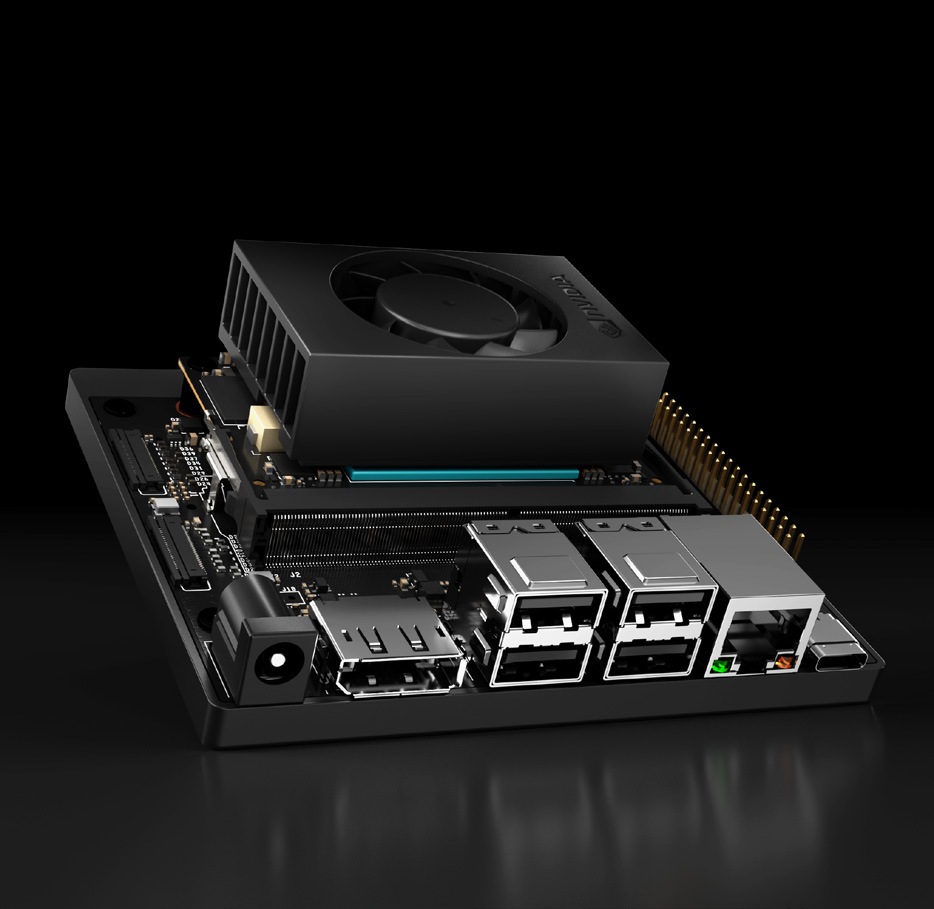
Prototype GPU-accelerated vision, robotics and local inference. Review the production module and carrier separately.
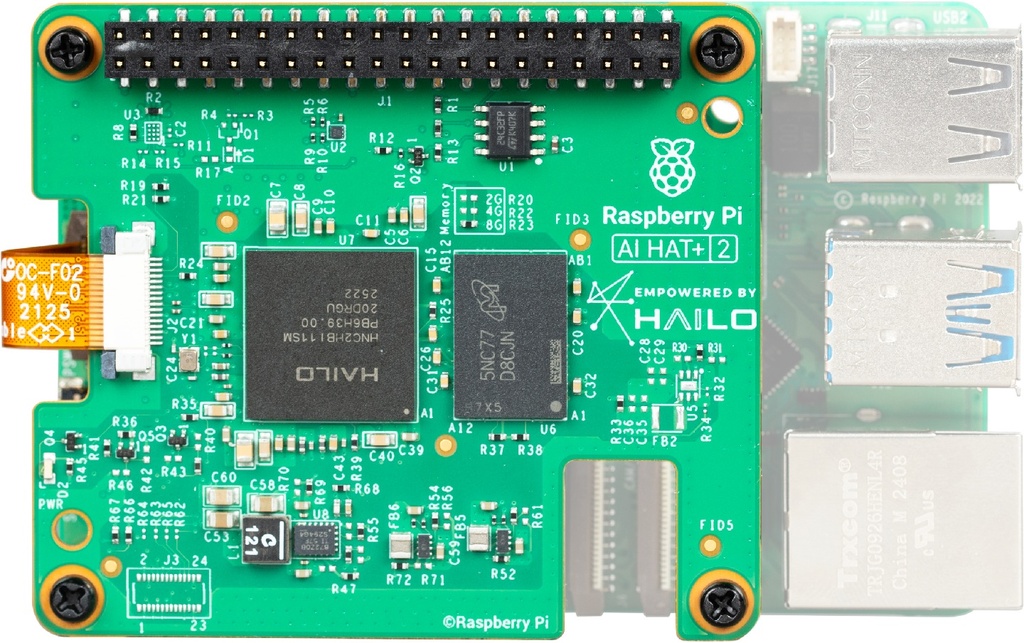
Add inference acceleration to a compatible host. Match the model, runtime, interface and power budget.
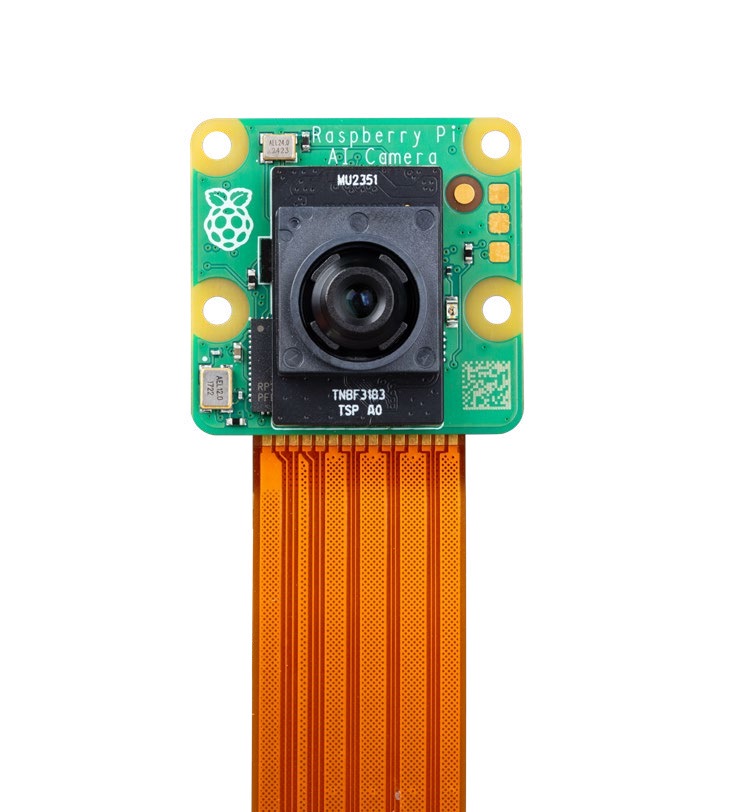
Choose sensor-side AI or a global shutter for motion capture. Select the host, optics, illumination and processing together.
Product images from our catalog. Select the display, power supply, storage and peripherals for the application. Development boards & device datasheets →
02 / MICROCONTROLLER
A microcontroller (MCU) combines a CPU, memory and control peripherals on one chip. Development boards add power, connectors and supporting hardware for evaluation.
Typically CPU, RAM, flash, timers and GPIO, with peripherals such as ADC, PWM, UART, SPI and I²C depending on the device. Add the power, sensors, interfaces and drivers required by the application.
A useful starting point for backlight and brightness controls, sensor interfaces, touch input, instrument functions and connected prototypes.
We can help map the I/O, choose an evaluation board and scope the firmware and interfaces needed for a working prototype.
Evaluate compact models for sensor anomaly detection, vibration monitoring, keyword recognition or simple classification. MCU inference can run without a GPU or NPU when the model and working memory fit the selected device.
Budget flash, RAM, sampling, preprocessing and inference time alongside the control firmware. Confirm runtime support and measure power and latency on the actual board.
Explore TinyML on microcontrollers →
Plan firmware and RTOS integration →
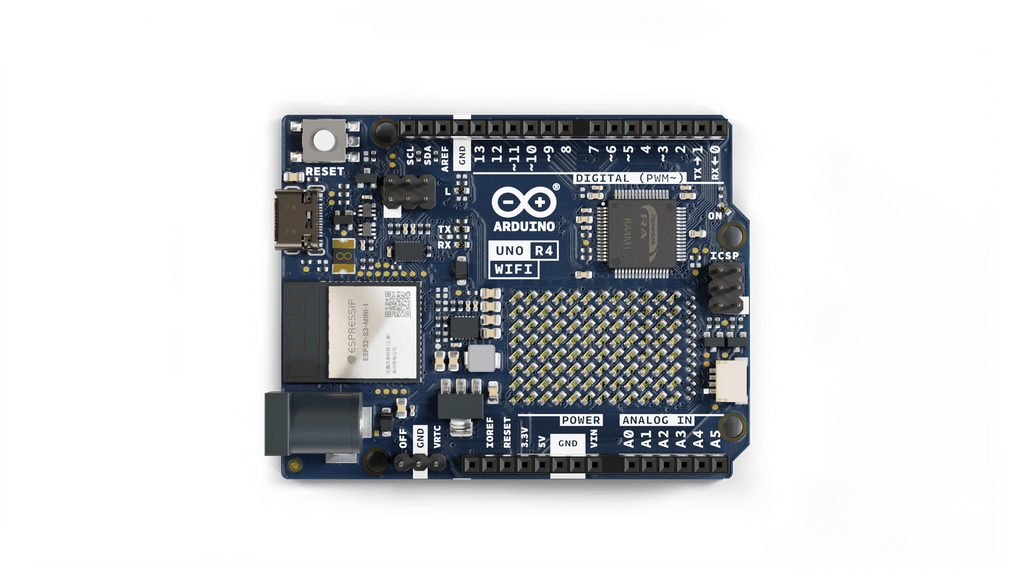
A 5 V development board for sensors, controls and connected prototypes, with a Renesas RA4M1 MCU and ESP32-S3 wireless connectivity.
View product & specifications →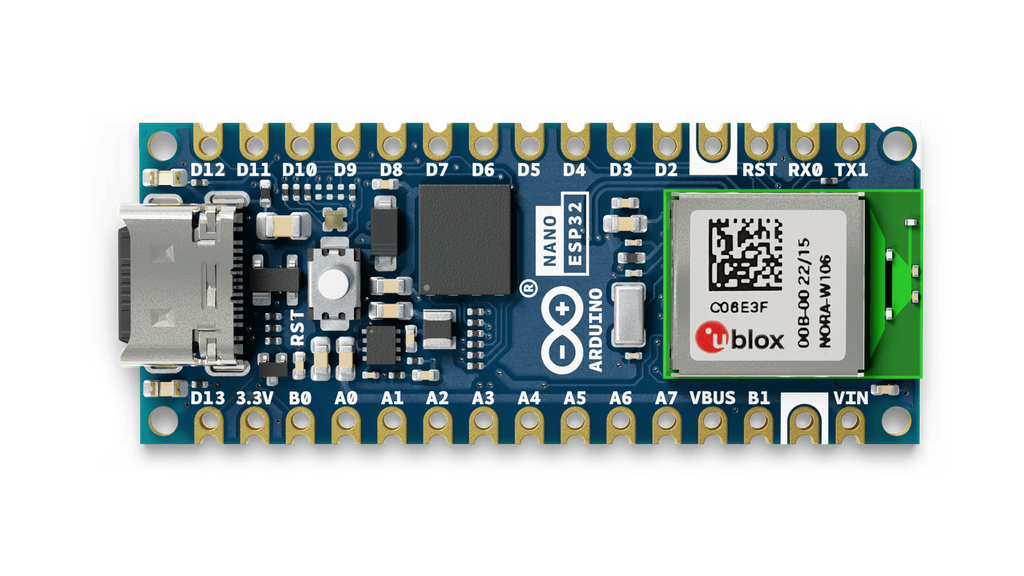
A compact Nano-format board for connected sensors and embedded controls, with ESP32-S3 wireless processing and Arduino or MicroPython development.
View product & specifications →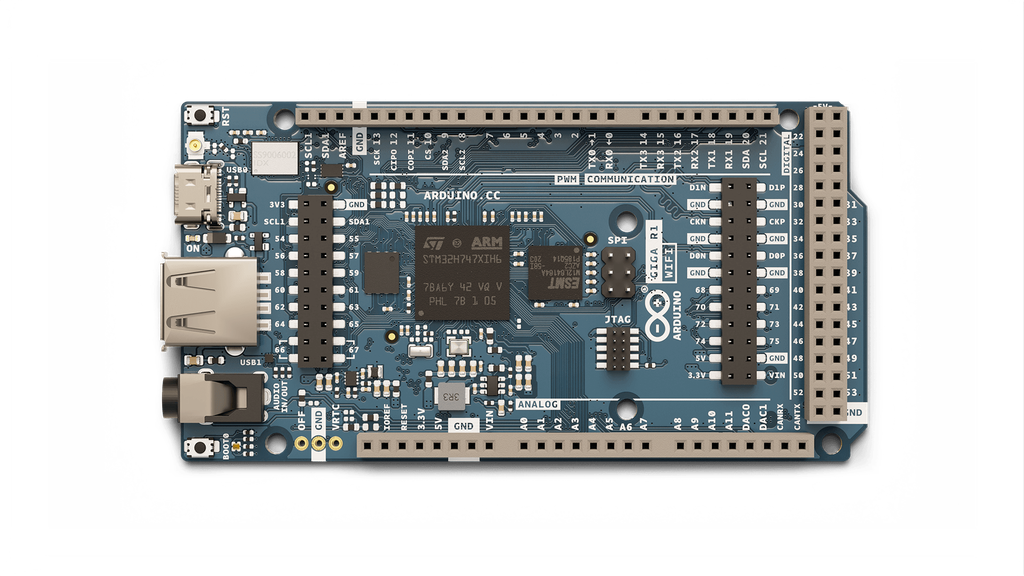
A dual-core development board for display, camera, audio and control prototypes, with extensive I/O and wireless connectivity.
View product & specifications →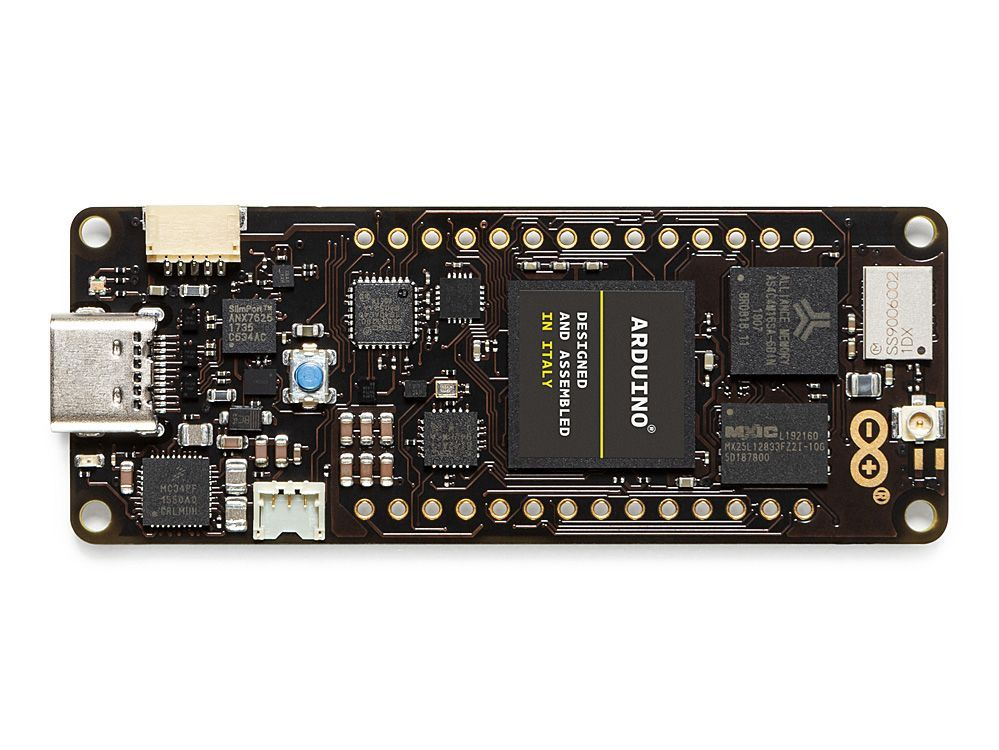
A compact dual-core microcontroller board for embedded control and graphics development, with wireless connectivity and high-density connectors for carrier integration.
View product & specifications →Board images from existing datasheets. Display hardware, shields and carriers are selected separately for the application. Development boards & device datasheets →
03 / MICROPROCESSOR
A microprocessor (MPU/CPU) is the main processing device used within a computing system. It is a component that must be integrated with memory, storage, power and interfaces.
Typically CPU cores, cache, memory interfaces and high-speed peripherals. External RAM, flash or storage, power circuitry and connectors complete the system. Graphics and display capabilities depend on the device.
Consider this route for a custom human-machine interface, connected equipment or a display system with substantial graphics and application software.
We can help define the processor architecture, evaluation path and requirements for board bring-up and software handover.
Start with a measured CPU baseline. Where the workload needs acceleration, compare integrated GPU or NPU resources with an external accelerator. Availability and software support depend on the exact processor and board; they are not shared by every device in a family.
Check supported model operators, precision, memory bandwidth, camera interfaces, drivers and sustained power. Include model updates and production software support in the architecture.
Compare CPU, GPU, NPU, DSP and FPGA options →
Choose device, cloud or hybrid inference →
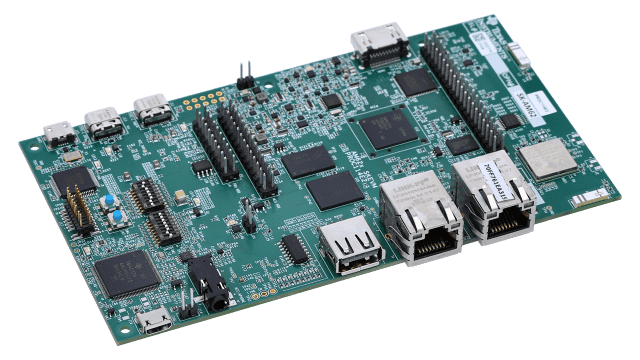
An assembled evaluation board for an AM6254 microprocessor. Use it to explore Linux HMI and display interfaces before defining the production hardware.
View product & specifications →Start with an evaluation board and confirm the selected device, software support and display interface together. Development boards & device datasheets →
01 / Plan
Define the application, constraints, platform options and acceptance criteria.
02 / Build
Develop the agreed prototype and connect the hardware and software.
03 / Check
Test the interfaces and system behavior against the agreed requirements.
04 / Improve & hand over
Resolve findings, document the configuration and agree the next step.
A short description of what you are building is enough. Include the selected board or FPD part number, display and touch needs, interfaces or I/O, software, quantity and timing where known. For AI, add the model or task, camera or sensor inputs, accuracy target, response time and power budget. You can save catalog products to your Interest List and include that selection in your inquiry.